
Remember CliffsNotes®
Retro Moment: CliffNotes was and still is a useful educational study guide.

Recently audiobooked the 14th-century tale of Sir Gawain and the Green Knight, prompted by a fellow Substack recommendation. (More on this story in an upcoming article with a contextual comparison to ancient societies and community narratives.)
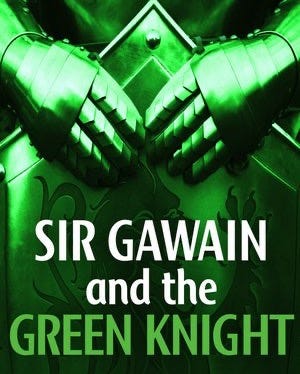
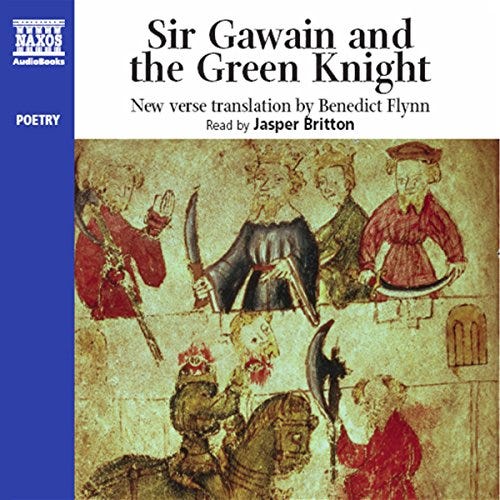
During an internet search for the title to examine various book covers, a browser prompt provided a summary link. After listening to the two audiobook versions of the narrative—one anonymous (the anonymous author known as the Gawain-poet or the Pearl-poet) and the other a new verse translation by Benedict Flynn, narrated by Jasper Britton—the CliffsNotes® link was mentioned, evoking a sense of nostalgia.
“CliffsNotes, originally founded by Clifton Hillegass in 1958, has undergone several ownership changes and is now owned by Course Hero as of 2021. The company continues to provide study guides in both print and digital formats, adapting to modern educational needs while maintaining its legacy as a popular study aid.”
— CliffsNotes®

Recall first encountering CliffsNotes in K-12 school. With two sets of ancient encyclopedias in our home and weekly public library visits with my parental humans, it never occurred to me to explore CliffsNotes. My current practice is to read or audiobook content in its entirety, then review any online book summaries. Otherwise, it feels a little like cheating in the reverse. (Yes, I’m laughing with you!)
As a psychological researcher, doctoral programs require students to complete extensive literature reviews. This entails reviewing sometimes hundreds of scientific journal articles on the preferred topic and on adjacent topics. This can be a tedious process when a doctoral dissertation can have as many as 400 literary references (journal articles), and it would be ill-advised to read every single article from title to conclusion.
So the concept of CliffsNotes as a companion study guide would give readers the opportunity to uncover plot points they may have overlooked or missed entirely. Recalling a few classmates who tried to draft and submit final homework using CliffsNotes and missing the context of the story or a nuance in the book. Context is crucial and one of the keys to a most favorite skill, critical thinking. Subscribe and follow this Substack for upcoming articles on the exciting world of critical thinking.
It was refreshing to listen to the tale twice and then read the summary. Remember reading the tale in one of my literature classes or possibly high school theatre class.
A quick side note, a wonderful thing happens when audiobooking. You can have a conversation with the author, the book narrator(s), and the book. Something about listening that activates engagement on these multiple levels. Simply love it!
Then there’s SparkNotes, part of the website The Spark. It’s a company started in 1999 by three Harvard students. SparkNotes provides study guides for literature and poetry, and other academic subjects including history, philosophy, and film; while CliffsNotes primarily focuses on literature study guides.

In summary, pun intended, resources like CliffsNotes can serve as valuable tools for reflection, offering fresh perspectives and fostering critical analysis of literature, especially when diverse viewpoints are essential. However, there’s undeniable value in dedicating time to read or listen to the original work in its entirety. In our fast-paced world, we often rush to consume vast amounts of content, but without context and the ability to critically engage, we can risk missing out on the richness and deeper understanding that comes from immersing ourselves in the original material.
#think #CliffsNotes #books #literature #Spark #integrity #tests
CONTEXTUALIZER
Using every resource available can help deepen knowledge acquired from literature and strengthen the ability to build context.
Key Takeaways
Study guides are not new and remain useful educational resources.
CliffsNotes have been and still are popular in the educational space.
Recommend reading the original content and using CliffsNotes to augment learning.
Source Books to Read
Sir Gawain and the Green Knight by Anonymous
Sir Gawain and the Green Knight by Anonymous, new verse translation by Benedict Flynn, read by Jasper Britton